

Secondary Loss: Trust

Finding Courage to Believe Again
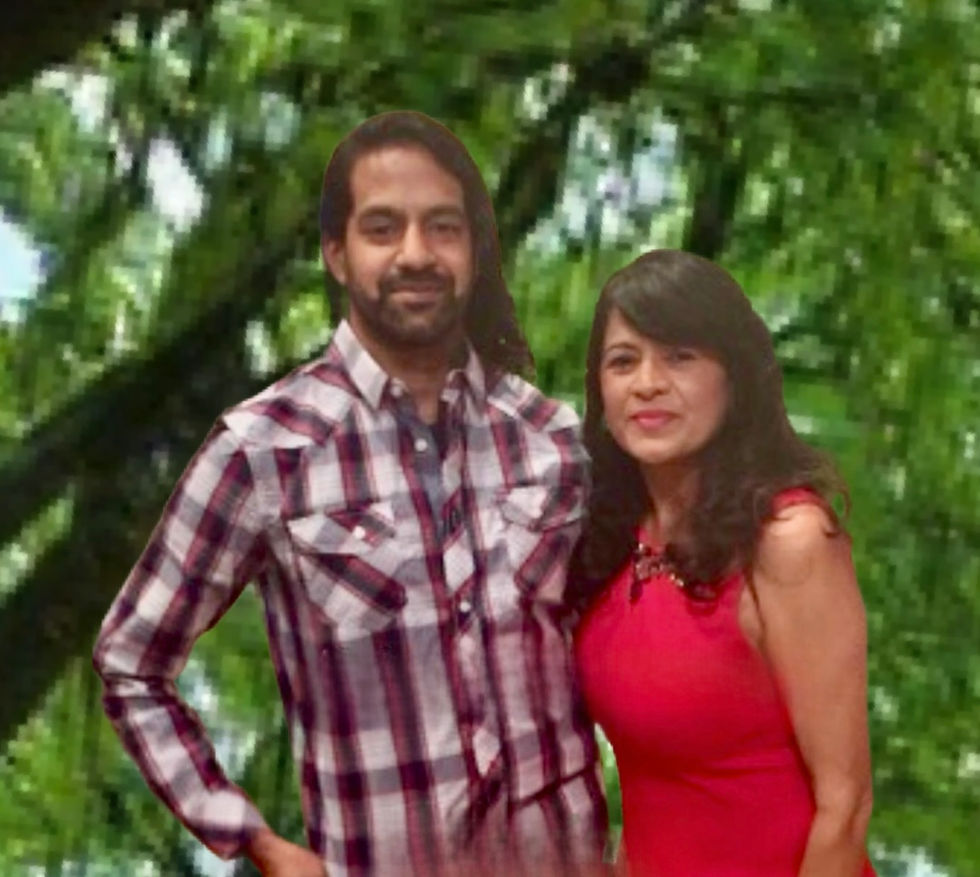
2017- Kevin and I
Trust, a fragile thread woven through human experience, is often seen as something we extend to others. After a traumatic loss, it’s not just trust in others that shatters; we may also doubt the world, our judgment, and even our ability to function. This is a common but often hidden challenge.
When my son Kevin died, the primary loss was noticeable and devastating. But it triggered a cascade of secondary losses, and one of the most painful was the loss of trust. Damaged trust often goes unnoticed because the focus is on surviving the primary grief. Yet when trust is broken, relationships suffer. We may close off, feel unsafe, and struggle to accept support, making healing even harder.
In 2004, when Kevin went away to college, I wrote him a letter that included a quote from Shakespeare’s Hamlet:
“This above all: to thine own self be true, and it must follow, as the night the day, thou canst not then be false to any man.”
It was my way of encouraging him to stay authentic, act with integrity, and be honest with himself and others. I hoped he would see that no one had a greater stake in his happiness than he did, and that he should treat himself with the same patience and respect he offered to others.
What I didn’t know then was that Kevin was suffering from depression. He kept it hidden, quietly carrying the weight alone. In 2008, after his suicide attempt, his struggle came to light, and he was diagnosed with clinical depression.
We often talked about peer pressure and the temptation to conform, but depression can cloud even the most evident truths. I will never fully grasp the depth of the darkness he endured. This is one of the most challenging realities for those left behind after suicide. We search for answers, but often there are none.
When Trust Breaks
Kevin trusted people who later exploited his vulnerabilities against him. That betrayal devastated him. Mental illness amplifies the pain of betrayal, transforming it into a threat to one’s safety. Trust is more than a feeling; it’s a belief in someone’s predictability, dependability, and character.
After Kevin’s death, my trust collapsed—both in others and in myself. I believed that during my week-long vacation, he would care for himself and be honest about his feelings. I thought he was preparing to relocate within two weeks. I thought he would tell me if he was in crisis. Those assumptions became painful reminders that I cannot control another’s choices, no matter how much I love them.
Trauma weakened my sense of safety. I became overly alert, always on the lookout for the next disaster. For a year, I couldn’t drive, worried that I wouldn’t react quickly enough or might get too close to another car. Oddly, I felt safer having surgery, being in a doctor's office, and flying on a plane than sitting behind the wheel.
Research in the Journal of Loss and Trauma shows that after sudden or preventable loss, survivors often experience hypervigilance and second-guess their decisions. All three components of trust—predictability, dependability, and belief in someone’s character—can break down.
I questioned everything: what I did, what I missed, what I should have said. A voice in my head kept asking, How could you not have stopped this?
Healing began when I told myself the truth: I loved Kevin with everything I had. I walked with him through his pain for over 12 years. I did the best I could with what I knew at the time. Trusting myself meant accepting that I was a good mother, even though I could not change the outcome.
Rebuilding Trust
Regaining trust is like planting a seed in rocky soil—it requires patience, consistency, and the courage to be vulnerable. I started with small, manageable steps: leaning on trusted friends, talking with counselors and faith leaders, and practicing self-compassion when I faltered.
Most importantly, I trusted God when I could not trust myself.
“Trust in the Lord with all your heart and lean not on your own
understanding.” — Proverbs 3:5
My understanding is limited; it cannot answer every why or erase the pain. But faith reminds me I am not alone in my grief. I’ve learned that trust and forgiveness are not the same. I can choose to rebuild trust selectively and wisely. Closing my heart completely does not protect me, but it only cuts me off from love, connection, and healing.
Losing Kevin profoundly changed my view of trust. It is both fragile and resilient when carefully nurtured. The pain of broken trust remains as a reminder of past wounds, yet I choose to plant seeds of trust again—in my faith, my relationships, and within myself. Every small effort holds the promise of renewal and deeper connection. Even after the most profound loss, it is still possible to believe in love, safety, and hope again.
Comments